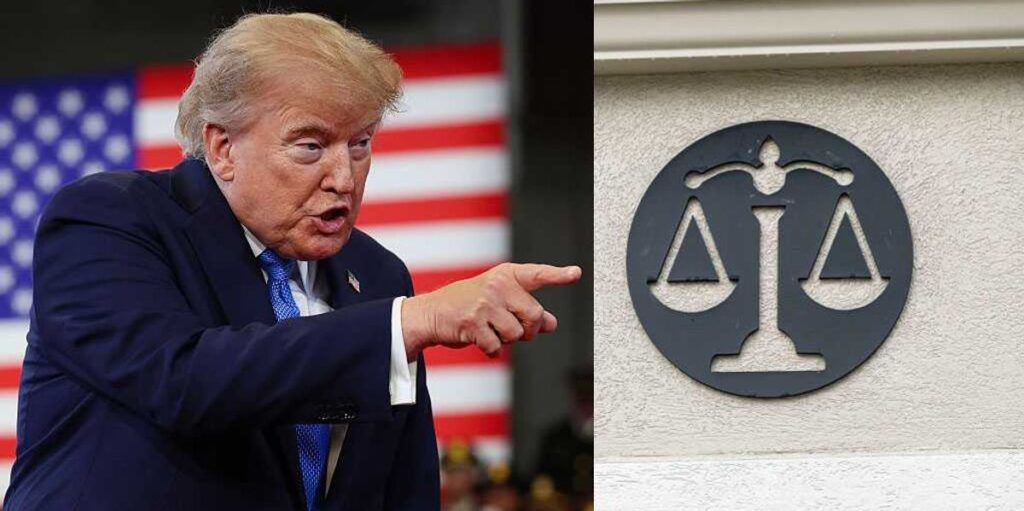
The American Bar Association (ABA), which has held the exclusive authority to accredit law schools since 1952, is facing a significant challenge to its role. The U.S. Department of Education is reviewing whether the ABA’s Council of the Section of Legal Education and Admissions to the Bar should continue to oversee law school accreditation, amid concerns about the council’s independence and ideological influence.
ABA’s Accreditation Monopoly Under Scrutiny
Currently, the ABA accredits nearly 200 law schools, including 13 freestanding institutions not affiliated with any college or university. This accreditation is critical, as it enables these schools to participate in federal student aid programs and is often a prerequisite for graduates to sit for bar exams in most states.
However, critics argue that the ABA’s legal education council lacks sufficient independence from the legal profession it regulates. This perceived conflict of interest has fueled calls to end the ABA’s monopoly on law school accreditation.
Federal Review and Staff Recommendation
The ABA’s accreditation authority was last renewed in 2021 and is up for renewal this year. The National Advisory Committee on Institutional Quality and Integrity (NACIQI) is scheduled to meet in late September to evaluate the ABA’s petition for renewal.
In a recent report, Department of Education staff recommended revoking the ABA’s accreditation authority, citing noncompliance with federal accreditation regulations and recognition standards. An Education Department spokesperson confirmed the staff’s findings but declined to provide further details, emphasizing that the review process is ongoing and involves multiple stages.
ABA’s Response and Confidence
Melissa Hart, chairwoman of the ABA’s legal education council and a former Colorado Supreme Court justice, expressed confidence that the council complies with all relevant federal requirements. She stated that the council looks forward to addressing any misconceptions during the upcoming NACIQI hearing and believes it will successfully defend its accreditation role.
The hearing before NACIQI represents a critical step in the recognition process, after which the committee will issue a recommendation to Undersecretary of Education Nicholas Kent, who has signaled support for accreditation reform.
Political Context and Accreditation Reform
Undersecretary Kent has criticized the current accreditation system for contributing to inflated tuition costs, administrative bloat, and ideological mandates on campuses. He supports reforms aimed at shifting the focus toward student outcomes rather than bureaucratic processes or divisive agendas.
President Donald Trump issued an executive order in April 2025 directing the Education Secretary to hold accreditors accountable for failing to meet federal standards, including those that allegedly enforce unlawful discrimination under the guise of diversity, equity, and inclusion (DEI) initiatives. The ABA’s legal education council was specifically called out for requiring law schools to demonstrate concrete commitments to diversity and inclusion.
ABA’s Shift on Diversity and Inclusion Policies
In response to these pressures, the ABA’s legal education council voted in May to eliminate its DEI requirement for law schools, although the final decision is pending and expected by early September. This move appears aimed at countering accusations that the ABA is ideologically driven.
Conservative Criticism and Calls for Change
Conservative legal scholar John Eastman, founding director of the Center for Constitutional Jurisprudence, welcomed the Education Department’s efforts to remove the ABA from the accreditation process. Eastman criticized the ABA as having become a political actor aligned with the radical wing of the Democratic Party, citing its use of accreditation authority to enforce DEI policies and its involvement in Supreme Court cases through amicus briefs.
Eastman also noted that the ABA’s influence in judicial nominations has fluctuated over recent administrations, suggesting that its role in accreditation should similarly be reconsidered.
Looking Ahead
The upcoming NACIQI hearing and subsequent recommendations will be pivotal in determining the future of the ABA’s role in law school accreditation. With the Education Department staff recommending revocation and the ABA confident in its compliance, the decision will have significant implications for legal education and accreditation standards nationwide.
As this process unfolds, the debate highlights broader questions about the balance between professional oversight, ideological influence, and federal regulation in higher education accreditation.
Source: Read the original reporting.