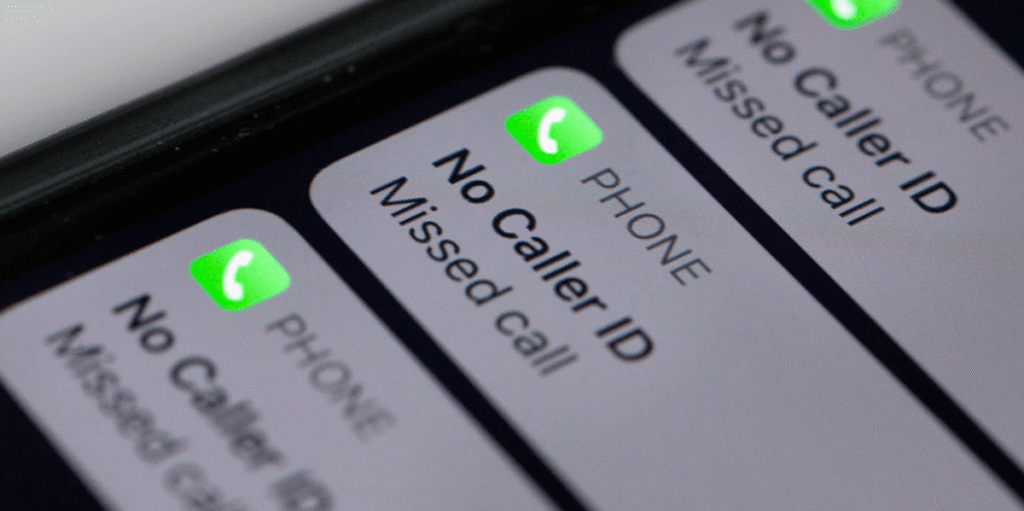
Every day, Americans endure a relentless barrage of spam calls and robocalls, with billions of dollars lost to fraud schemes that exploit unsuspecting victims. While many might expect older adults to be the most vulnerable, recent data reveals that younger Americans, particularly those aged 18 to 44, bear the brunt of these costly scams.
Young Adults More Susceptible to Phone Scams
Contrary to popular belief, younger adults are three times more likely to fall victim to phone scams than those over 55. According to the Public Interest Network’s 2024 report on spam and scam activity, 25% of individuals in the younger age group reported being scammed multiple times. This demographic’s higher susceptibility contrasts sharply with older Americans, who tend to avoid answering calls or texts from unknown numbers.
The report attributes the lower victimization rate among older adults to their cautious phone habits. For instance, 57% of older Americans have registered with services like the “Do Not Call” registry, compared to only 30% of younger adults aged 18 to 64. Additionally, 21% of older adults have installed caller ID apps or use caller ID on landlines, whereas only 14% of younger adults employ these tools.
Gender Differences in Scam Experiences
Gender also influences scam victimization. Men are more likely to report falling prey to scam calls, with 79% admitting to such incidents over a 12-month period, compared to 68% of women. Despite receiving approximately 5% more spam calls than men, women tend to ignore these calls and texts more frequently, with 65% choosing to disregard them versus 54% of men.
Financial Impact and Geographic Variations
Spam calls and texts affect roughly 21% of the adult U.S. population, with an average annual loss of $450 per victim. Nationwide, these scams cost Americans an estimated $25 billion each year. The frequency of robocalls varies significantly by state. Since 2020, Louisiana has experienced the most dramatic increase, with a 792% rise in robocalls. Mississippi follows with a 117% increase. Other states such as Alaska, Indiana, Missouri, Oklahoma, and Kansas have seen increases exceeding 50%.
Conversely, some states have witnessed declines in robocall volume. Utah leads with a 34% decrease, while Nevada, Arizona, Idaho, New Jersey, Wyoming, Rhode Island, California, Colorado, and Connecticut have also seen reductions.
Federal Efforts to Combat Spam and Fraud
In response to the growing problem, the Federal Communications Commission (FCC) has stepped up efforts to help consumers protect themselves. FCC Chairman Brendan Carr, despite being a contentious figure in other areas, has championed bipartisan initiatives aimed at curbing illegal robocalls and spam texts.
The FCC has published detailed, step-by-step guides to assist consumers in activating blocking and filtering tools on their devices. These resources are tailored for different platforms, including iPhone and Android, and cover major service providers such as AT&T, T-Mobile, and Verizon.
Additionally, the FCC warns about more than a dozen types of scams, including collect call fraud, cell phone scams, and the so-called “One Ring” scam. The agency also provides information on legal protections against unwanted solicitations, empowering Americans to better understand their rights.
Rising Call Volumes Signal Ongoing Challenges
The volume of robocalls continues to surge. In 2025, the United States saw approximately 52 billion robocalls, with projections estimating an increase to 58 billion by 2028 if current trends persist. This ongoing escalation underscores the importance of consumer vigilance and the need for effective regulatory measures.
Conclusion: Staying Ahead of Scammers
The landscape of phone scams is evolving rapidly, with younger adults increasingly targeted and substantial financial losses mounting nationwide. While older Americans’ cautious phone habits offer some protection, the overall scale of the problem demands continued attention from both regulators and consumers.
The FCC’s new guidance represents a critical step toward equipping Americans with the tools to block and filter unwanted communications. However, the persistent rise in robocalls highlights that combating these scams requires ongoing efforts from government agencies, telecommunications providers, and individuals alike.
Source: Read the original reporting.