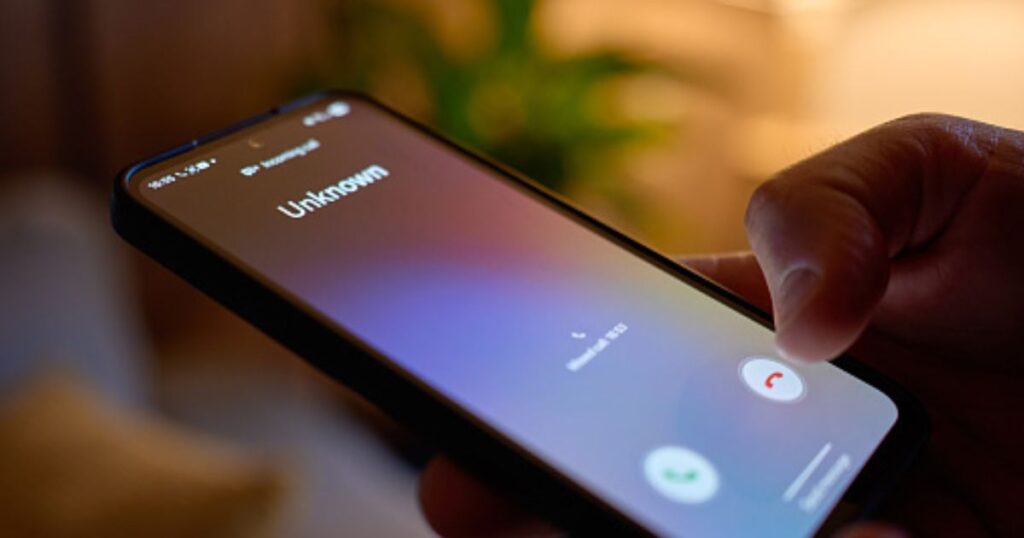
America’s robocall problem isn’t going away—at least not month to month. YouMail, a robocall-blocking company, estimated 4.3 billion robocalls in July and 142 million per day in June. CEO Alex Quilici told the Daily Caller News Foundation (DCNF) that volumes are “trending lower” year over year but “up (month over month, since roughly October).”
Billions of calls, shifting trends
YouMail figures cited by DCNF show June was the highest monthly volume since July 2025, while the trailing 12 months totaled 48.7 billion calls—the lowest 12-month figure since 2022. Quilici said robocall declines “correlate” with enforcement actions against callers and the carriers they use: “The more enforcement actions, the bigger the downward pressure on robocalls.” Still, he described the fight as “a bit of large scale whack-a-mole.”
Real losses, rising frustration
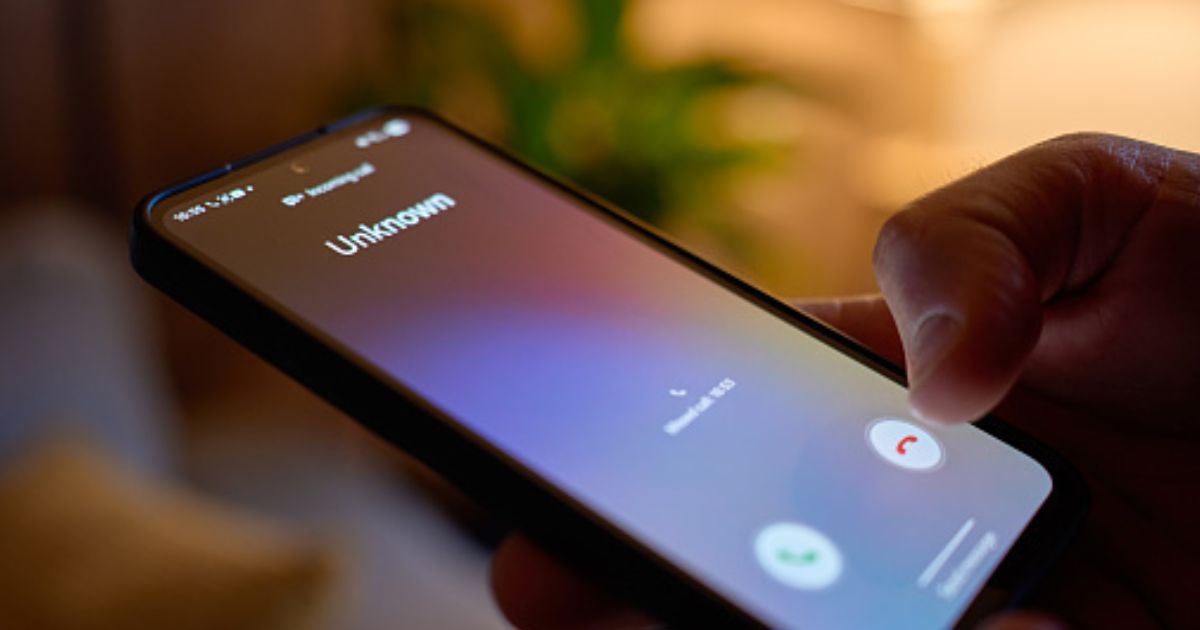
The Federal Trade Commission (FTC) describes robocalls as automated, pre-recorded messages often used to steal data or money. The U.S. PIRG Education Fund estimated that in the first half of 2025, scam call victims lost an average of $3,690 and scam text victims lost an average of $1,452.
Public confidence is low. A July 2025 Pew Research poll found 68% of U.S. adults think the government is doing a poor job fighting online scams and attacks, and 56% disapprove of technology companies’ efforts. Pew reported 24% of adults received a scam email, call, or text that led them to give up personal information.
Why stopping robocalls is so hard
DCNF reporting cites multiple suspected drivers. The U.S. PIRG Education Fund said 44% of phone companies it reviewed did not comply with anti-robocall mitigation policies. The group also points to artificial intelligence as an emerging threat, enabling high-volume fraudulent outreach.

An FCC official told DCNF that modern, internet-based phone networks are a double-edged sword: “It’s beneficial for consumers because it’s brought the cost of calls down. But, at the same time, it’s the exact reason why bad actors are able to get into the network… So, ironically, it’s because of IP [internet protocol] that we had an increase in robocalls.”
Industry pushes tools; advocates press for stricter rules
T-Mobile told DCNF it “is committed to stopping illegal and unwanted robocalls,” citing technologies to identify, label, and block illegal calls and its Scam Shield alerts. Verizon and AT&T referred DCNF to company materials outlining anti-fraud steps.
The National Consumer Law Center (NCLC) in 2025 urged the FCC not to loosen “do-not-call” protections and to let Americans automatically opt out of pre-recorded calls. “Consumers and small business owners should never be subjected to unstoppable telemarketing and other robocalls,” NCLC senior attorney Patrick Crotty said in October 2025. The FCC later scrapped the rollback proposal, according to Privacy World, a news outlet run by Squire Patton Boggs.
NCLC also called for holding Voice over Internet Protocol (VoIP) providers accountable—limiting access to U.S. networks unless they secure a bond they could forfeit if they vouch for fake caller IDs.
Congress eyes $100,000 bonds and tougher accountability
In August 2025, Sens. Ted Budd and Peter Welch introduced the Foreign Robocall Elimination Act, which passed the Senate and is pending in the House, according to DCNF. The bill would require internet-based voice service providers to post a bond up to $100,000 before certifying in the FCC’s Robocall Mitigation Database and would create a public‑private task force and legal protections to facilitate sharing illegal call data. “Requiring providers to obtain bonds… is just one of several avenues to ensure greater compliance,” Budd told DCNF in a written statement.
The proposal has drawn support in DCNF reporting from USTelecom’s Josh Bercu and EPIC’s Alan Butler, who said bond requirements “seem like a good idea and part of the solution.” AARP lists the bill among its priorities for the 119th Congress, and the Blacklist Alliance called it “one of the most promising anti-robocall bills in Congress,” citing a lack of strong opposition.
Separately, Sen. Ben Ray Luján proposed giving the FCC authority to pursue certain unpaid robocall-related fines, which the Congressional Research Service said could further deter bad actors.
FCC tightens access and targets the call path
“Fighting illegal robocalls remains the FCC’s top consumer protection priority,” FCC Chairman Brendan Carr said in July, per DCNF. The agency voted to narrow who can access its robocall database and noted it removed 1,400 phone providers last summer for filing deficiencies.
The FCC also adopted an order to help transition legacy copper phone lines to fiber. An FCC official told DCNF that modern networks can better transmit data needed to prevent fraud. “The Commission is looking to combat robocalls at every point in the call path… and prevent new loopholes from opening up,” the official said, calling it “a comprehensive effort.”
The backdrop: TRACED Act and ongoing enforcement
DCNF reports that the TRACED Act, signed in 2019, mandated caller ID authentication to fight spoofing and led to creation of the FCC’s Robocall Mitigation Database. The article also notes stepped-up enforcement in recent years and describes the current landscape as continued “whack‑a‑mole,” with bad actors adapting as enforcement tightens.