
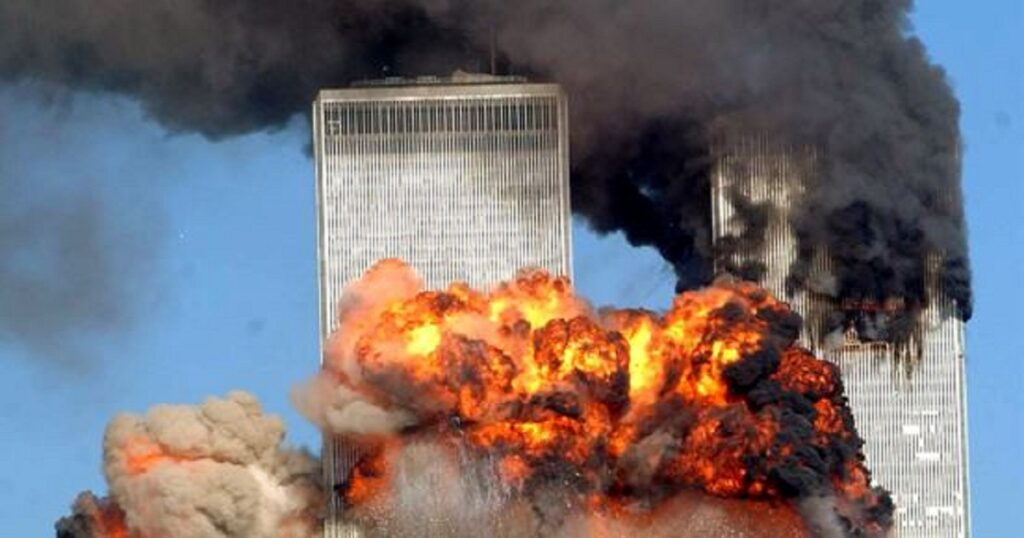
Earlier this week, the Canadian Broadcasting Corporation (CBC) sparked controversy after it was revealed that the national broadcaster’s internal memo advised reporters against referring to the September 11, 2001 attacks as “terrorist attacks.” Instead, the memo instructed journalists to describe the events as “hijackings led to passenger jet crashes.” This guidance, which came from Basem Boshra, CBC’s Senior Director of Journalistic Standards and Public Trust, ignited backlash from both Canadian taxpayers and American observers, especially as the 25th anniversary of the attacks approaches.
Internal Memo Sparks International Outrage
The leaked memo, reported by a columnist in the Toronto Sun, explicitly discouraged the use of the terms “terrorist” and “terrorism” when describing 9/11, emphasizing attribution rather than direct labeling. CBC News spokeswoman Kerry Kelly defended the policy, stating that the broadcaster’s approach to the language of terrorism has been consistent for decades and is shared by many major journalistic organizations worldwide.
Kelly explained that CBC’s policy aims to maintain accuracy and clarity by attributing the use of “terrorist” and “terrorism” to officials and experts, rather than making direct designations. This approach, she said, is intended to avoid the political and emotional weight those words carry, which could hinder objective journalism.
Disputed Claims About Journalistic Practices
However, critics quickly challenged CBC’s claim that this policy mirrors those of other major news outlets. A brief review of coverage from The Associated Press, the BBC, and The New York Times revealed that these organizations regularly use the term “terrorist attacks” in their reporting on 9/11 without the strict attribution CBC requires. This discrepancy fueled accusations that CBC’s guidance was out of step with international journalistic norms.
U.S. Officials Voice Concern
The controversy caught the attention of U.S. officials, including Ambassador Pete Hoekstra to Canada and FBI Director Kash Patel. Ambassador Hoekstra publicly condemned CBC’s language policy, warning that failure to explicitly recognize and confront terrorism threatens efforts to strengthen shared national and economic security between the two countries. Patel echoed these concerns, highlighting the FBI’s role in disrupting terrorist threats within Canada.
CBC Adjusts Language Guidance Amid Backlash
In response to the mounting criticism, Basem Boshra issued a statement clarifying that the memo had been “published and amplified by a number of outlets without full context or explanation.” He acknowledged the distress caused by the guidance and emphasized that CBC has never denied that the 9/11 attacks were acts of terrorism.
Boshra announced that CBC would revise its language policy to remove the requirement for direct attribution when describing the historic events of 9/11 as terrorism. He reaffirmed the broadcaster’s commitment to journalistic principles, including attributing causes and motivations to officials and experts when appropriate.
Ongoing Debate Over Media Language and Responsibility
The episode has reignited discussions about how media organizations should report on terrorism and politically charged events. CBC’s initial reluctance to label 9/11 explicitly as terrorism raised questions about the balance between impartiality and clarity in journalism. Critics argue that avoiding the term in describing such a significant and well-documented terrorist attack risks minimizing the gravity of the event and disrespecting victims.
Supporters of CBC’s approach maintain that careful language use helps avoid politicization and preserves journalistic integrity. Nonetheless, the swift reversal by CBC after international and diplomatic pressure underscores the sensitivity surrounding terminology in reporting on terrorism.
Conclusion: The Importance of Clear and Responsible Reporting
The CBC’s recent controversy highlights the challenges faced by public broadcasters in navigating politically charged language while maintaining public trust. The backlash from Canadian citizens, American officials, and the broader international community demonstrates the high stakes involved in how terrorism is described in the media.
By adjusting its guidance to explicitly allow the term “terrorism” in reference to 9/11 without strict attribution, CBC has taken a step toward addressing concerns about clarity and accountability. Moving forward, the incident serves as a reminder that journalistic standards must balance precision, sensitivity, and transparency to effectively inform the public on matters of profound historical and political significance.
Source: Read the original reporting.