Europe is witnessing a surge of unrest marked by widespread protests, violent clashes, and political crises in several countries. Over the past weeks, Germany has seen escalating riots following youth-led demonstrations, Albania faces intensifying student protests and political instability, and Poland is embroiled in a constitutional standoff involving its highest court. These events collectively highlight the continent’s growing tensions amid economic pressures, governance disputes, and social grievances.
Violent Clashes Erupt in Germany’s Youth Protests
In Germany, tens of thousands of demonstrators took to the streets over the weekend of October 31, rallying in dozens of cities under the banner of Gen Z regelt (Gen Z Takes Charge). The youth-led movement voiced opposition to cuts in education funding, social services, cultural programs, healthcare, rising living costs, and mandatory military conscription. While daytime marches remained largely peaceful, the situation deteriorated after dark, particularly in Frankfurt.
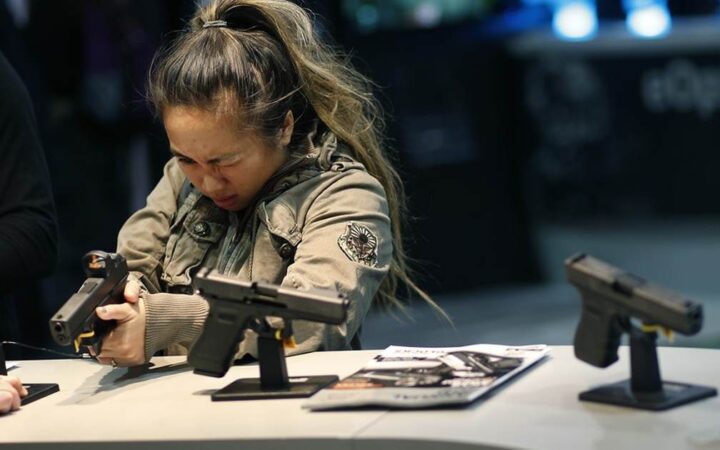
Masked rioters attacked police with stones, fireworks, pepper bombs, and Molotov cocktails, resulting in injuries to more than 100 officers. Authorities detained 54 individuals aged between 13 and 29. Property damage included 17 shops being vandalized, with five looted. A notable incident involved a break-in at a gun store where two weapons were stolen but later recovered. Similar confrontations occurred in Cologne, Hamburg, and Berlin.
Officials attributed the violence to infiltration by extremist elements. Hesse Interior Minister Roman Poseck identified around 100 left-wing extremists among the protesters, while Federal Interior Minister Alexander Dobrindt claimed that violent left-wing groups and individuals from migrant communities hijacked the demonstrations. Police estimated that 1,000 to 1,500 participants engaged in violent acts, predominantly from immigrant backgrounds. These developments prompted tightened border controls ahead of the protests to prevent foreign extremist involvement. However, Defense Minister Boris Pistorius criticized the singling out of migrants in the official narrative.
The German unrest follows weeks of student protests in France, where demonstrations have included riots and looting, although recent protests have been mostly peaceful.
Albania’s Protests Escalate Over Government and Environmental Concerns
Albania has experienced daily protests since late May, initially sparked by opposition to a luxury resort project by Jared Kushner on a coastal ecological preserve. The movement has since evolved into broader demonstrations against government corruption and demands for Prime Minister Edi Rama’s resignation.
Clashes between protesters—many of them students—and police have turned violent, with authorities deploying rubber bullets and tear gas. Hundreds of injuries have been reported among both police and young demonstrators, alongside dozens of arrests. In response, Rama has offered cash bonuses to frontline police and suggested the protests could jeopardize Albania’s goal of joining the European Union by 2030. He also accused protesters of links to antifa.
Political tensions intensified on October 29 when opposition Democratic Party lawmakers disrupted parliamentary proceedings in Tirana by setting off flares, overturning chairs, and filling the chamber with smoke. By November 1, the crisis expanded with new police powers allowing administrative travel restrictions on protesters without judicial approval. Reports also emerged of a rift within the ruling Socialist Party between Rama and detained Tirana Mayor Erion Veliaj.
Student activism continued on November 2 as university students marched between lecture halls, urging classmates to boycott classes in solidarity with the protests.
Poland’s Constitutional Tribunal Faces a Political Showdown
Poland’s highest court became the epicenter of a constitutional crisis on October 30 when riot police were deployed amid a power struggle within the tribunal. The court’s longest-serving judge, Anna Korwin-Piotrowska, suspended the tribunal president, Bogdan Święczkowski, and assumed control. Święczkowski, a former deputy justice minister under the previous Law and Justice (PiS) government, had refused to seat a judge nominated by Prime Minister Donald Tusk and approved by parliament.
Supporters of Święczkowski attempted to enter the tribunal grounds by cutting through a fence with power tools but were blocked by police. Justice Minister Waldemar Żurek announced plans to seek the lifting of Święczkowski’s immunity from prosecution. The tribunal characterized the actions as a “coup d’etat.” President Karol Nawrocki, who was en route to Africa when the suspension occurred, returned immediately and entered the tribunal, describing the events as a forcible takeover of a constitutional body.
Outside the tribunal, thousands of demonstrators waving Polish flags confronted hundreds of riot police. The crisis unfolded as the nation prepared for All Saints’ Day, a significant holiday when families honor deceased relatives. Prime Minister Tusk condemned the PiS government’s response as a continuation of efforts to undermine the rule of law in Poland. Meanwhile, the government accused Święczkowski of repeated legal violations. Nawrocki’s faction hopes the turmoil will weaken Tusk’s parliamentary majority.
Wider Implications and Upcoming Protests
These episodes of unrest across Europe underscore growing dissatisfaction among youth and political factions amid economic challenges, governance disputes, and social grievances. German student groups and labor unions have announced new nationwide protests scheduled for November 3 and 5, signaling that tensions remain high.
In Poland, Tusk has vowed to continue efforts to restore the independence of the constitutional tribunal despite the ongoing standoff. Albania’s protests show no signs of abating, with student activism and political opposition maintaining pressure on the government.
Conclusion: Europe’s Unrest as a Warning
The recent wave of protests and political crises in Germany, Albania, and Poland reflects deep fractures within European societies. These events serve as a cautionary example of how economic pressures, political polarization, and social discontent can escalate into widespread unrest and institutional challenges. Observers suggest that the developments highlight risks associated with ideological divisions and governance failures, offering lessons for other democracies confronting similar issues.
Source: Read the original reporting.