Severe storms that struck northeast Indiana, including the city of Gary, have left many residents without electricity for weeks. The outages, which initially affected approximately 300,000 people, have sparked a contentious debate over whether racial bias has influenced the pace of power restoration.
Storm Damage and Ongoing Power Outages
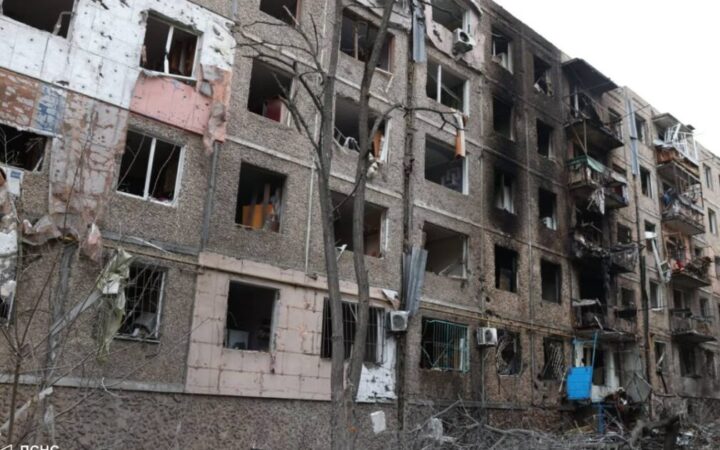
Deadly storms caused significant damage across northeast Indiana, toppling utility poles and triggering widespread flooding. Gary, a city with a predominantly Black population, has been among the hardest hit, with many residents still without power weeks after the storms.
According to the Northern Indiana Public Service Company (NIPSCO), restoration efforts have been complicated by the extensive nature of the damage. Melody Birmingham, an executive at NIPSCO’s parent company, emphasized the complexity of the repairs, noting that some systems typically require weeks or months to fix, yet crews are working to complete them in a much shorter timeframe.
Violence Against Utility Workers Hampers Restoration
Efforts to restore power have faced additional obstacles beyond the storm damage. On August 14, a utility truck was struck by gunfire, forcing a temporary halt to restoration work. Fortunately, no injuries were reported, but the incident highlighted the dangers utility workers face in the area.
Birmingham rejected claims that NIPSCO has neglected Gary due to its racial demographics. She pointed out that outages persist in other parts of the service area, including more affluent neighborhoods, and stressed that the damage correlates with where the storm caused the most harm rather than any form of discrimination.
Community Voices Raise Concerns About Racial Neglect
Despite NIPSCO’s statements, some residents and public figures have voiced concerns that the predominantly Black community in Gary is being overlooked. Dr. Bernice King, daughter of civil rights leader Martin Luther King Jr., publicly questioned the urgency with which Gary has been treated.
In a social media post, King highlighted a broader issue of racial disparities in emergency responses, asserting that Black communities often bear the brunt of neglect and are expected merely to survive rather than be valued and cared for promptly.
Local residents have echoed these sentiments. One resident, Amara, told BreakThrough News that the lack of attention to Gary was obvious and tied to its racial makeup, stating, “It’s full of black people. We the blackest city out here, so they don’t want to check on us.” Some residents have also joined a class-action lawsuit against NIPSCO, alleging neglect that exacerbated the storm’s damage.
Tragic Toll and Efforts to Restore Power
The storms resulted in six fatalities, including one child, according to the Indiana Department of Homeland Security. The human cost has intensified calls for a swift and equitable restoration of services.
Despite the challenges, NIPSCO indicated that it expects to restore power to most Gary residents within the week. The company continues to navigate the difficult task of repairing extensive infrastructure damage while ensuring the safety of its workers amid ongoing threats.
Conclusion: Complex Challenges Amid Heightened Scrutiny
The prolonged power outages in Gary, Indiana, have brought to light complex issues involving infrastructure recovery, community safety, and racial equity. While utility officials cite storm damage and violence against workers as primary obstacles, some residents and advocates argue that racial bias has influenced the response.
As restoration efforts continue, the situation underscores the need for transparent communication and sensitivity to community concerns, especially in areas with histories of racial disparities. The coming days will be critical in determining how effectively power is restored and whether trust can be rebuilt between utility providers and the communities they serve.
Source: Read the original reporting.