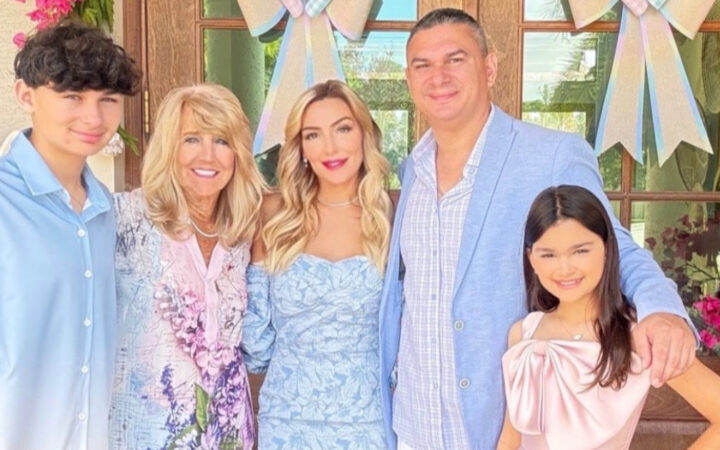
Democratic U.S. Senate candidate Abdul El-Sayed has come under renewed scrutiny following revelations that his wife’s sister was reportedly placed on a terrorist watchlist during the Obama administration. The development adds to ongoing controversy surrounding El-Sayed’s family connections as he campaigns for a Senate seat in Michigan.
Family Member on Terror Watchlist During Obama Era
Reports indicate that Mariam Jukaku, the sister of El-Sayed’s wife Sarah Jukaku, was placed on the federal terrorist watchlist in 2012. According to a lawsuit filed in 2016, Jukaku discovered her inclusion on the list after her boarding pass was marked with the “SSSS” designation at Detroit Metropolitan Airport, signaling that she was considered a “known or suspected terrorist.”
The lawsuit detailed that Jukaku was subjected to extensive security measures, including searches, pat-downs, and chemical testing. Despite these actions, she was never informed of the specific reasons for her watchlist status nor given an opportunity to challenge it. Jukaku has stated she believes she was eventually removed from the list.
The FBI maintains a policy of neither confirming nor denying individuals’ inclusion on the Terrorist Screening Dataset, commonly known as the terrorist watchlist.
Political Fallout and Campaign Silence
Conservative commentator Eric Daugherty highlighted the watchlist connection on social media, urging voters to reject El-Sayed’s Senate bid. Daugherty criticized El-Sayed for focusing on his professional credentials while remaining silent on these family ties, which he linked to broader concerns about Islamic extremism.
“Keep this guy as FAR AWAY FROM THE SENATE as humanly possible,” Daugherty wrote, emphasizing the need to prevent what he described as jihadism from infiltrating American institutions.
El-Sayed’s campaign has not publicly addressed the allegations related to his sister-in-law’s watchlist status.
Additional Family Connections to Controversial Groups
Beyond the watchlist issue, El-Sayed’s family ties have drawn further attention. His half-sister, University of Chicago professor Eman Abdelhadi, has publicly acknowledged the family’s historical connection to the Muslim Brotherhood. In a 2012 statement, Abdelhadi described the family’s involvement as longstanding but criticized its political approach as ineffective.
Abdelhadi also expressed support for Hamas in 2024, marking a year since the group’s deadly attack on Israeli civilians in October 2023. In an Instagram post, she reflected on the phrase “Allahu Akbar,” emphasizing its significance in the Muslim tradition and linking it to a message of hope and justice despite ongoing brutality.
Implications for Michigan’s Senate Race
The revelations about El-Sayed’s family have become a focal point in the competitive Michigan Senate race. Opponents argue that these connections raise serious concerns about his suitability for office, while supporters have yet to publicly respond to the allegations.
Republican candidate Mike Rogers has been presented by critics as a preferable alternative, with calls to voters to support him in order to keep alleged extremist influences out of the Senate.
Conclusion: A Campaign Under the Microscope
As the Michigan Senate race intensifies, Abdul El-Sayed faces mounting questions about his family’s background and the implications for his candidacy. The reported placement of his sister-in-law on a terrorist watchlist during the Obama administration, combined with other familial associations, has fueled political attacks and calls for greater transparency.
With the campaign period underway, voters will be watching closely to see how El-Sayed addresses these issues and whether they will influence the outcome of this pivotal election.
Source: Read the original reporting.