Parents who send their children illegally to the United States often rely on dangerous cartels and human traffickers to facilitate the journey. The Trump administration’s policy of deporting unaccompanied children seeks to discourage this practice by removing incentives for parents to risk their children’s safety. This approach has sparked intense debate, with accusations from various sides about family separation and legal rights.
Defining Unaccompanied Alien Children and Legal Frameworks
Under federal law, an “unaccompanied alien child” is a minor under 18 years old who has no lawful immigration status in the U.S. and lacks a parent or legal guardian in the country to provide care. According to 6 U.S.C. § 279(g)(2), these children often have parents residing abroad, and the Office of Refugee Resettlement (ORR) is tasked with reuniting them with their families when appropriate.
Despite public misconceptions, illegal entry into the U.S. is a federal crime. Under 8 U.S.C. § 1325, a first offense is a misdemeanor punishable by up to six months in prison, while repeat offenses can lead to felony charges with longer sentences. Reentry after deportation carries even harsher penalties under 8 U.S.C. § 1326. However, the Supreme Court has clarified that merely remaining in the country unlawfully is a civil violation, not a crime, which shapes the legal protections available during deportation proceedings.
Legal Representation and Due Process Challenges
Contrary to some claims, unaccompanied minors appearing in immigration court often do so without government-appointed lawyers. The Immigration and Nationality Act and related regulations do not guarantee free legal counsel in removal proceedings, which are civil in nature. While the government encourages pro bono legal assistance, immigration judges cannot appoint attorneys or guardians for these children.
Federal funding for legal services for unaccompanied minors began in 2005 and has been maintained across administrations. Programs have provided legal orientations, screenings, and representation to thousands of children. The 2008 Trafficking Victims Protection Reauthorization Act mandates efforts to ensure children have access to counsel to the greatest extent practicable, often through pro bono services.
Despite these provisions, the Trump administration moved to end federal funding for these legal services in 2025, allowing contracts to expire in 2026, even amid court orders to maintain support. This shift has intensified debates over the adequacy of legal protections for vulnerable children in immigration proceedings.
Reasons Behind Child Migration and Risks Faced
Children migrate to the U.S. for various reasons, including escaping violence, abuse, and economic hardship. A 2014 UNHCR study found that over half of interviewed children from Mexico, Honduras, Guatemala, and El Salvador reported experiences suggesting a need for international protection, such as threats from criminal groups and caretaker abuse.
However, claims that abuse alone drives child migration are complicated by the fact that young children cannot independently decide to flee, and abusive parents are unlikely to send their children alone to the U.S. Often, parents or relatives already living in the U.S. arrange for the child’s journey. In fiscal year 2018, 41% of sponsors receiving children from ORR were parents.
Economic opportunity and family reunification remain significant motivators. U.S. law also influences migration patterns. For instance, unaccompanied children from countries other than Mexico and Canada are placed in full removal proceedings rather than being promptly returned, a policy identified by the Department of Homeland Security (DHS) as a pull factor encouraging smuggling.
Perils of the Journey and Post-Arrival Challenges
The journey to the U.S. is fraught with danger. DHS has reported that thousands of unaccompanied children, especially teenage girls, suffer sexual abuse from smugglers, criminals, and even officials during transit. Arrival in the U.S. does not guarantee safety, as children are typically released to sponsors—often parents or relatives—living in the country.
Between fiscal years 2019 and 2023, over 448,000 children were released from federal custody. However, more than 32,000 failed to appear for immigration court hearings, and some were later found to be in abusive or exploitative situations. ICE investigations have uncovered cases where sponsors paid smugglers, falsely claimed kinship, and subjected children to physical abuse, sexual exploitation, and forced labor.
Deportation as a Tool for Family Reunification and Deterrence
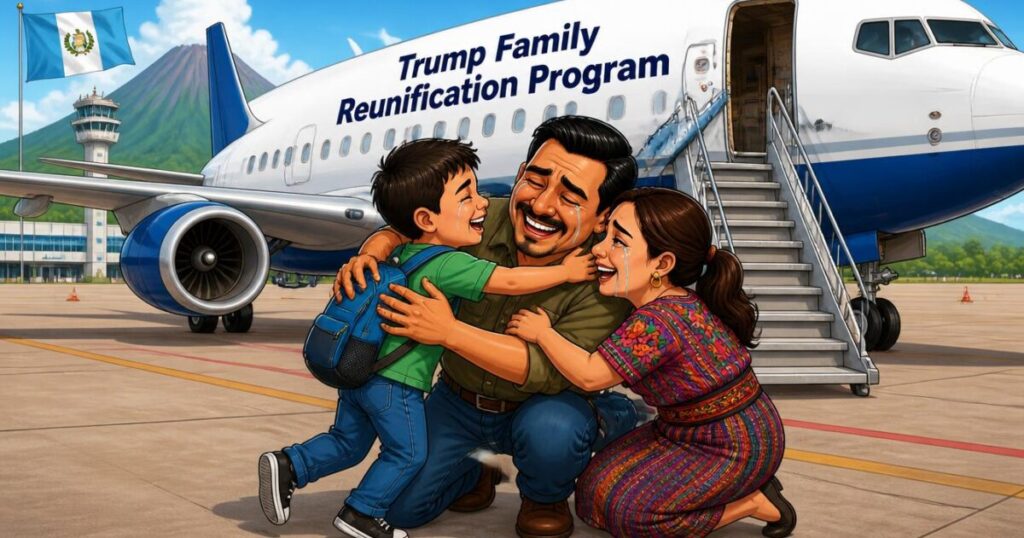
Deporting unaccompanied children to join their non-U.S.-citizen parents abroad serves multiple purposes. It reunites families in their home countries and aims to reduce the demand for smuggling services by discouraging parents from sending children on perilous journeys. This policy has been met with criticism from both liberals and conservatives, reflecting the complex nature of immigration enforcement and humanitarian concerns.
With the holiday season approaching, many families separated by migration policies will be reunited in countries like Honduras and Guatemala, underscoring the human dimension behind immigration debates.
Conclusion
The Trump administration’s deportation policies for unaccompanied minors highlight the tension between enforcing immigration laws and addressing the humanitarian needs of vulnerable children. While these policies seek to deter dangerous migration and reunite families abroad, they also raise important questions about legal representation, due process, and the long-term welfare of children caught in the immigration system. Understanding the legal context and the realities faced by migrant children is essential for informed discussions on immigration policy moving forward.
Source: Read the original reporting.